
First Day Skiing: Safety, Lessons and Slope Guide
HemenKayak Ekibi · 03.09.2026 11:09
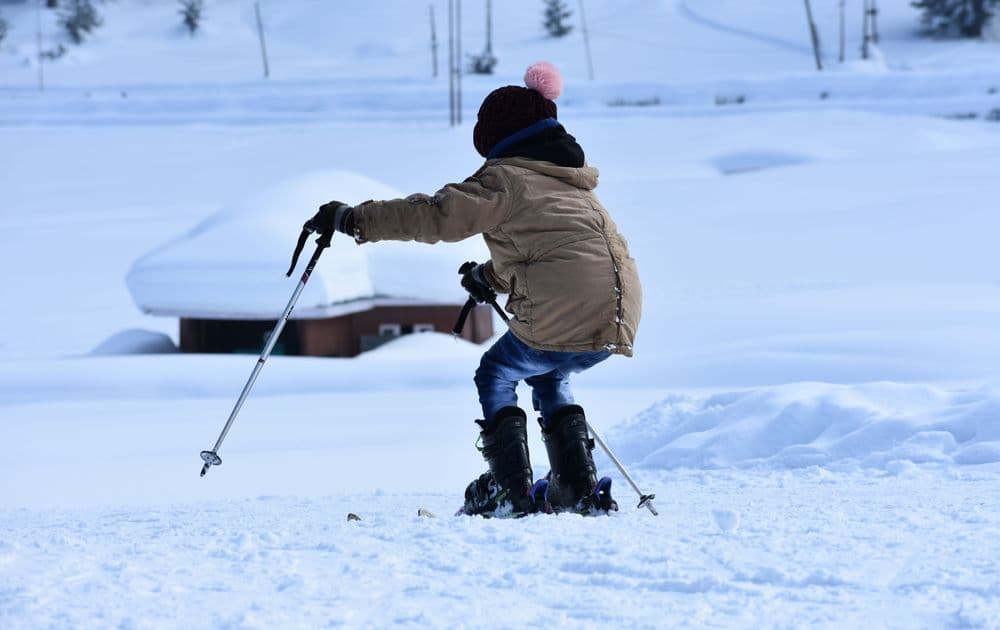
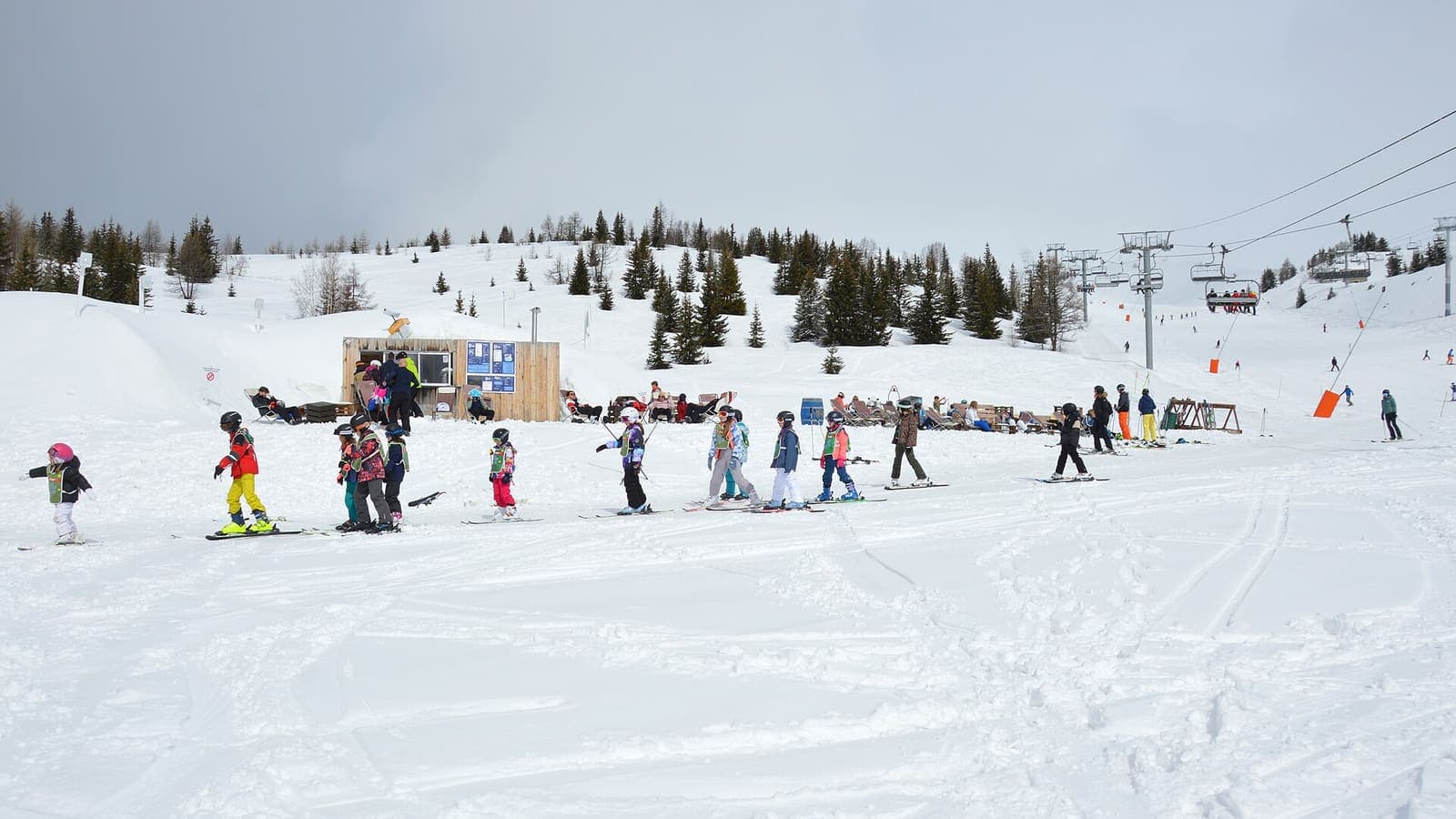
Summary: First-day safety in winter sports starts with proper lessons, wearing a helmet and choosing slopes that match your level. Taking a basic lesson with an instructor on your first day, rather than teaching yourself, helps stop bad habits from forming and teaches you the snowplough (braking) technique faster. On your first day, stay on green slopes or in beginner (baby lift) areas.
Trying to learn from a friend or from online videos can lead to stance mistakes that are hard to fix later.
Do I really need a ski lesson on my first day?
It is not compulsory, but it makes things easier. Even with an instructor, the basics (stopping, turning, getting down a green run on your own) usually take 3-5 days of regular practice. The goal of the first day is to learn the right stance and how to stop. For a day-by-day plan, see how long it takes to learn to ski.
| Criterion | Teaching Yourself | With an Instructor |
|---|---|---|
| Learning time | Slower, high risk of bad habits | Basic stance and stopping on day one; the basics usually take 3-5 days |
| Injury risk | Higher (uncontrolled acceleration) | Lower (correct technique, suitable area) |
| Physical fatigue | More (falling and getting up often) | Less (energy is used more efficiently) |
| Time | Seems free, wastes time in practice | Correct basics in a short time |
The risk is not zero with an instructor either: most beginner injuries happen from falls on the easiest runs. More in is skiing dangerous.
Ski helmet: never skip it
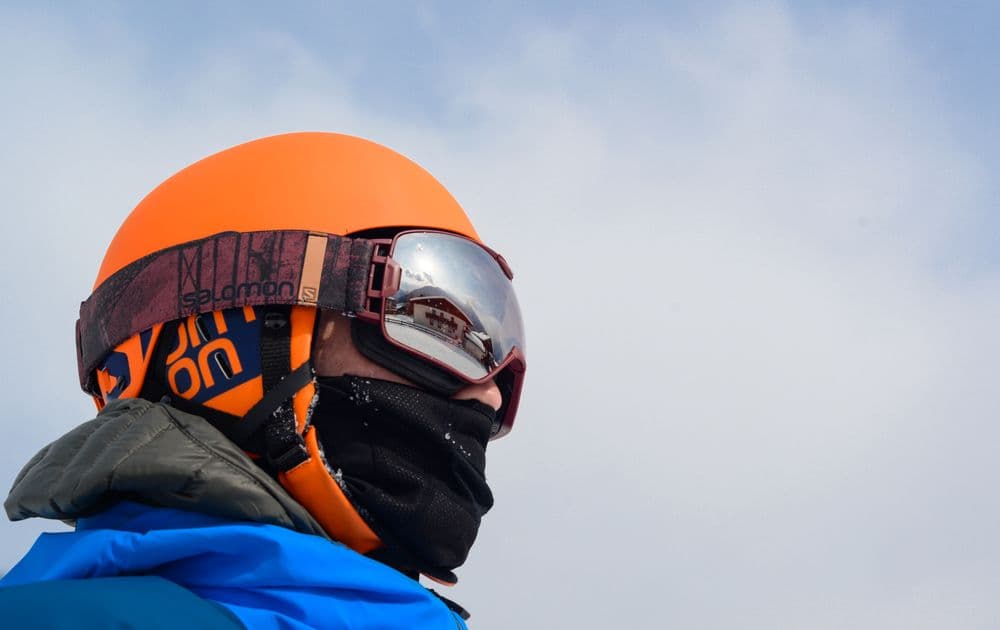
A helmet is strongly recommended. Certified helmets (CE EN 1077) have an ABS outer shell and an EPS foam inner layer. Research shows that a helmet clearly reduces both the risk and the severity of head injuries. For the right size, measure around your forehead with a tape measure (e.g. 56-58 cm is usually Medium). Without the chin strap done up, the helmet should not move when you shake your head, but it shouldn't squeeze your temples like a vice either.
What do the slope colours mean?
| Slope Colour | Difficulty | Gradient (approx.) | Who It's For |
|---|---|---|---|
| Green | Beginner | 5-15% | First-timers, people learning the snowplough |
| Blue | Intermediate | 15-25% | Those who can make basic turns |
| Red | Advanced | 25-40% | Those who ski parallel and can control their speed |
| Black | Expert | 40%+ | Those with technique and experience |
The gradients are approximate. Colour grading can differ between countries and resorts.
Falling safely and getting up
When you lose control, instead of fighting it and leaning back, let yourself fall gently to the side (onto your hip and shoulder). Avoid putting your hands out or planting your poles in the snow as you fall; this is one of the common causes of wrist and shoulder injuries. To get up, place your skis parallel and across the slope, pull your knees to your chest, and push your hips up using the hand on the uphill side for support.
Book your helmet and equipment on the ski equipment rental page before you reach the mountain. To choose the right equipment, see skiing or snowboarding for beginners; for physical preparation, see physical preparation and special needs.
Frequently asked questions
Can I wear a beanie under my ski helmet?
It is not recommended. A beanie stops the helmet from sitting properly on your head, and a helmet that shifts cannot protect you well in an impact. To stay warm, wear a thin balaclava under the helmet.
How many lessons should I take on my first day?
Lesson length depends on the ski school; many lessons last 50 minutes to an hour. One or two lessons on the first day is a good start. In the first days your legs tire quickly. Tired legs make falls more likely, so take a break when your legs start to shake.
Can I go on a blue slope before I can do the snowplough?
No. The snowplough is the basic braking technique in skiing. Going onto steeper blue or red slopes before you are sure you can bring your speed down to zero is dangerous for you and for other skiers.
How many hours should I ski on my first day?
One or two lessons followed by 1-2 hours of free practice is enough for most people. Fatigue increases technical mistakes and falls; on the first day, skiing a little but correctly is more useful.
Sources
- How long does it take to learn how to ski, Snow.com, 3-5 days for the basics
- Dickson TJ, Terwiel FA. Injury trends in alpine skiing and snowboarding over the decade 2008-09 to 2017-18. Journal of Science and Medicine in Sport, 2021
- Haider AH et al. Efficacy of safety helmets in the reduction of head injuries in recreational skiers and snowboarders. Journal of Trauma and Acute Care Surgery, 2012
- Piste, Wikipedia, piste colour grading
- Is skiing dangerous? Common injuries and the 10 FIS rules, HemenKayak
Rental prices: shops are currently listed on HemenKayak in Erciyes, Ergan and Palandöken; you can see their current prices on the Erciyes, Ergan and Palandöken region pages.
Last updated: 8 November 2026
Rent your gear in advance
Compare daily prices from verified shops and have your gear prepared to your measurements before you arrive.

Read next
This guide was prepared by the HemenKayak team. See our About page to learn more about our platform.