
Is Skiing Dangerous? Common Injuries and the 10 FIS Rules
HemenKayak Ekibi · 01.11.2026 17:27
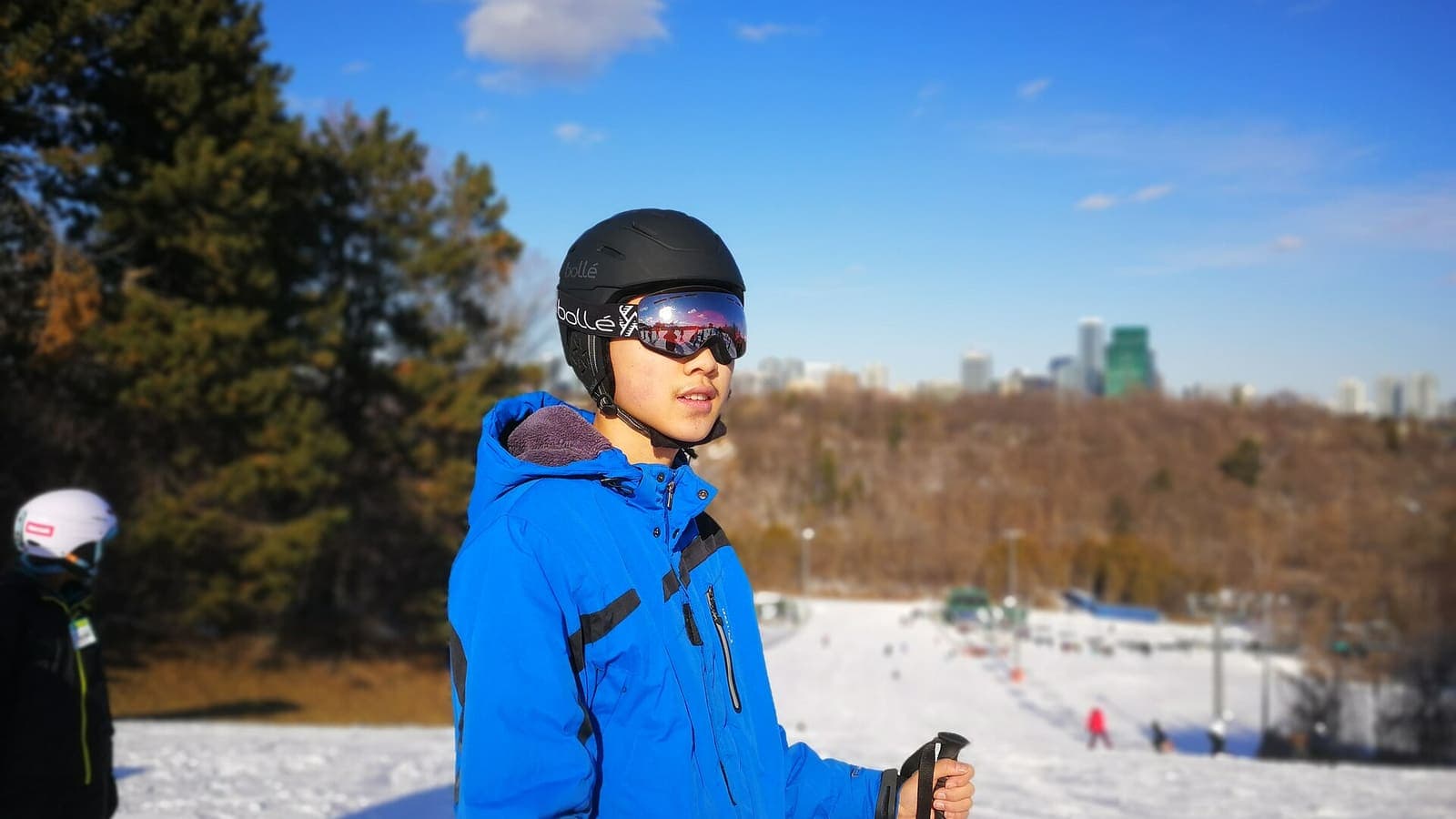
Summary: The risk of injury in skiing is low. A ten-season Canadian study found an average of 2.24 injuries per 1,000 skier days, and Norwegian studies found 1.8 and 2.2: roughly one injury per 450 days on the slopes. Skiers most often hurt their knees, snowboarders their arms and wrists. Most injuries happen in falls on the easiest runs. Lessons, a helmet, correctly set bindings and the International Ski and Snowboard Federation's (FIS) 10 rules for conduct reduce the risk.
How dangerous is skiing?
Researchers measure injuries per 1,000 skier days (one person skiing for one day).
| Study | Country, period | Injuries per 1,000 skier days |
|---|---|---|
| Bergstrøm et al. (1999) | Norway | 1.8 |
| Bergstrøm and Ekeland (2004) | Norway | 2.2 |
| Dickson and Terwiel (2021) | Canada, 2008-2018, 29 resorts | 2.24 (average) |
The Canadian study analysed 107,540 injury reports and found rates "averaging 2.24 injuries per 1000 skier days", declining gradually over the decade. The long-term trend is down too. A 2019 review notes: "In a 34-year study, as of 2006, a 55% decrease in the overall injury rate was observed."
The most common injuries
Knees (skiing). The 1999 Norwegian study found "injuries to the knee represented the single most frequently injured body region". The 2019 review agrees: "The knee is the most common site of injury, with reports ranging from 27% to 41% of all injuries." ACL injuries occur at about 0.23 per 1,000 skier days.
Arms and wrists (snowboarding). "Injuries to the upper extremity are more common in snowboarders than in skiers," says the same review. In the Canadian study, wrists were the most injured site for snowboarders, who put their hands out when they fall.
Head. Less common but the most serious. See helmets below.
Where do injuries happen?
Surprisingly, on the easiest runs. The Canadian study reports "most injuries occurring as the result of falls on marked, green/easiest terrain". That's largely because most people, and most beginners, ski there, but it's a reminder that easy runs still need control. The 2004 Norwegian study adds: "Inappropriate trail design and slope grooming seem to result in an accumulation of injuries at certain sites."
How to reduce the risk
- Take lessons. Learning to stop, slow down and fall properly prevents the falls that cause most injuries. Before you book, ask the ski school which languages its instructors teach in.
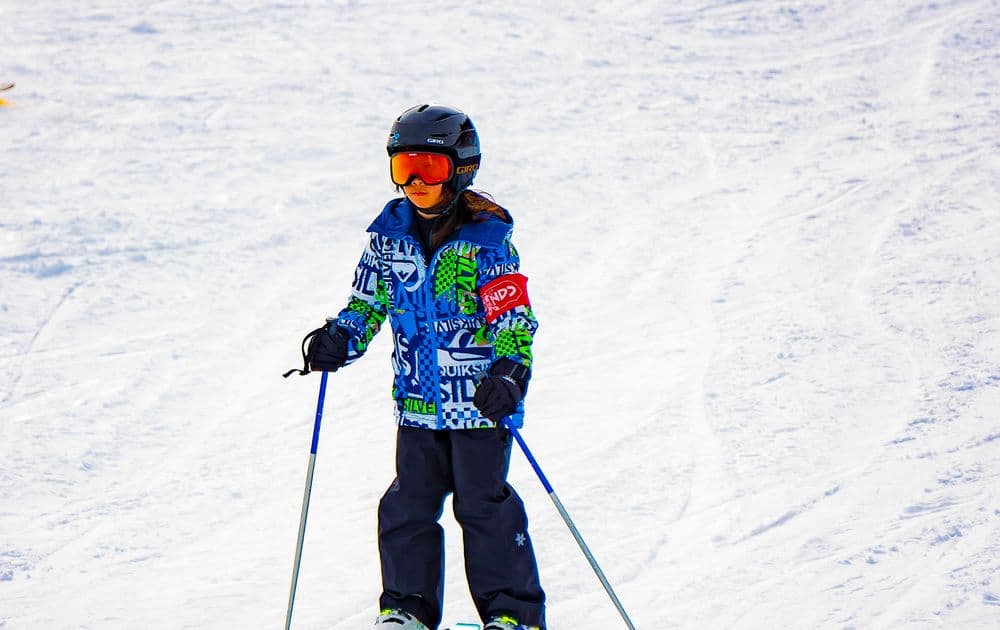
- Wear a helmet. A 2012 evidence review concludes: "Safety helmets clearly decrease the risk and severity of head injuries in skiing and snowboarding." Shops on HemenKayak rent helmets, including children's sizes.
- Get the bindings set correctly. The 2019 review states: "Bindings not releasing during falls has been identified as a major cause of tibial shaft fractures." Settings depend on weight, height, age, boot sole length and level, so give accurate details when booking. More in our binding DIN guide.
- Ski runs that match your level, and stop when you're tired.
- Wear wrist guards if you are learning to snowboard.
The 10 FIS rules for conduct
The FIS rules are recognised on slopes worldwide. They are not laws, but they describe the care every skier is expected to take. How responsibility is judged after an accident depends on the circumstances. Following these rules protects you and others.
- Respect for others: Ski so that you do not endanger or harm anyone.
- Control of speed and skiing: Adapt your speed to your ability, the terrain, the snow, the weather and the traffic.
- Choice of route: The skier ahead (below you) has priority.
- Overtaking: You may overtake on either side, above or below, but leave enough room.
- Entering, starting and moving upwards: Look up and down the slope before you set off.
- Stopping: Don't stop in narrow places or where you can't be seen from above. If you fall, clear the spot quickly.
- Climbing and descending on foot: Keep to the side of the run.
- Respect for signs and markings.
- Assistance: Help at accidents.
- Identification: Everyone involved in or witnessing an accident should exchange names and contact details.
What to do if there is an accident
- Don't move the injured person or try to lift them.
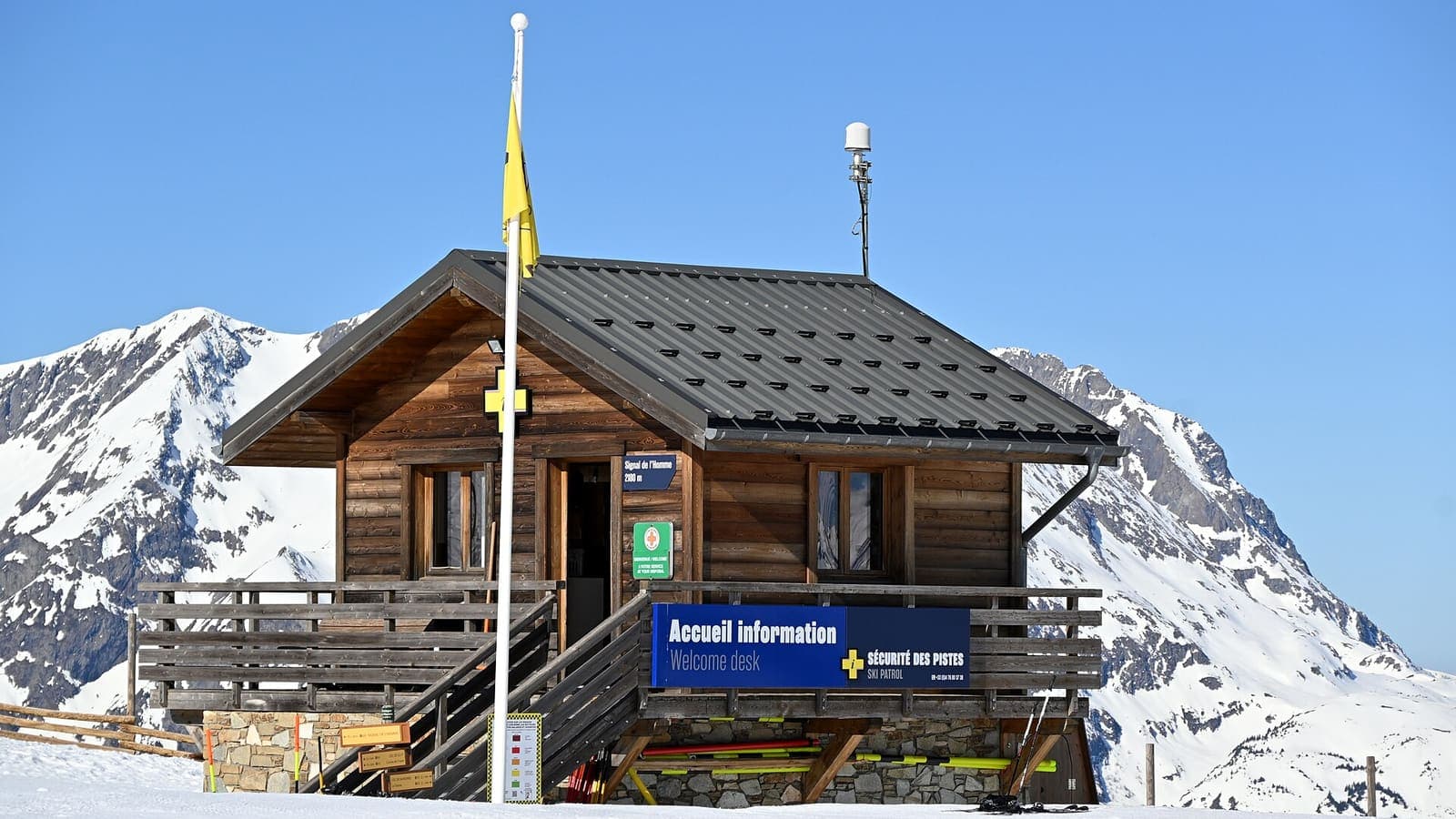
- Alert the ski patrol or the resort's first-aid team; lift staff can also call them. If you can't reach them, call 112, Turkey's emergency number.
- Plant crossed skis in the snow above the injured person so others can see you.
- If you are a witness, leave your contact details (rule 10).
For first-day safety tips, see our first day skiing guide.
Frequently asked questions
Is skiing a dangerous sport?
The risk is low. A Canadian study of 107,540 injury reports found an average of 2.24 injuries per 1,000 skier days; Norwegian studies found 1.8 and 2.2. Over 34 years, the overall injury rate fell by 55%.
What is the most common skiing injury?
The knee, at 27% to 41% of all skiing injuries. Snowboarders have more arm and wrist injuries than skiers.
Where do most ski injuries happen?
According to the Canadian study, most happen in falls on marked green (easiest) runs, mainly because that's where most people ski.
Do ski helmets work?
Yes. A review of the evidence concludes that helmets clearly decrease the risk and severity of head injuries in skiing and snowboarding.
Sources
- Dickson TJ, Terwiel FA. Injury trends in alpine skiing and snowboarding over the decade 2008-09 to 2017-18. Journal of Science and Medicine in Sport, 2021
- Bergstrøm KA, Ekeland A. Effect of trail design and grooming on the incidence of injuries at alpine ski areas. British Journal of Sports Medicine, 2004
- Bergstrøm KA et al. Evaluation of skiing injuries by Injury Severity Score. Scandinavian Journal of Medicine & Science in Sports, 1999
- Davey A et al. Alpine Skiing Injuries. Sports Health, 2019 (open access)
- Haider AH et al. Efficacy of safety helmets in the reduction of head injuries in recreational skiers and snowboarders. Journal of Trauma and Acute Care Surgery, 2012
- FIS name change: 2022 Congress in Milan, FIS, accessed 1 November 2026
- FIS Rules for Conduct, as published by Schmitten ski resort, accessed 30 October 2026
Photo: Félix An, CC BY 4.0, Wikimedia Commons
Last updated: 8 November 2026
Rent your gear in advance
Compare daily prices from verified shops and have your gear prepared to your measurements before you arrive.
Read next

This guide was prepared by the HemenKayak team. See our About page to learn more about our platform.