
Ski Bindings, DIN Settings and Biomechanical Safety Guide
HemenKayak Ekibi · 03.09.2026 11:05
Summary: Bindings are one of the most important mechanisms for protecting your legs when skiing. The right DIN setting releases the ski from the boot when the force on your leg in a fall passes a certain threshold, which helps limit the load on the leg. The DIN setting is taken from the ISO 11088 chart using your weight, height, age, boot sole length (BSL) and skier type (Type 1-3); do not change it yourself.
DIN (Deutsches Institut für Normung) is the scale for the force at which bindings release the ski from the boot. A wrongly set binding can make the ski come off for no reason (pre-release) or not come off in a fall, putting strain on the leg.
How is the DIN setting calculated? (ISO 11088)
The calculation uses a chart based on height, weight, age, the boot sole length in millimetres (Boot Sole Length, BSL) and skier type. Skier type decides whether the setting is lower or higher:
| Skier Type | Riding Style | Speed and Terrain | Effect on DIN |
|---|---|---|---|
| Type 1 (beginner) | Cautious, learning slowly, prone to mistakes | Low speed, gentle green/blue slopes | Lower setting; the binding releases at a lower force |
| Type 2 (intermediate) | Balanced, comfortable with basic turns | Medium speed, varied conditions | Standard setting; reduces unnecessary releases |
| Type 3 (advanced) | Aggressive, fast, changes direction dynamically | High speed, steep slopes, deep snow | Higher setting; withstands high pressure in turns |
Age also affects the setting: for children under 10 and skiers aged 50 and over, the setting is lowered by one step.
Binding safety on rental skis
In a fall, the leg tries to rotate from the hip, but the ski tip digs into the snow and resists. At this point the knee and lower leg are exposed to a large twisting force. The front part of the binding (toe piece) releases the boot under sideways forces and the rear part (heel piece) in forward falls. Bindings cannot prevent every injury; knee ligament injuries in particular can happen even with a correct setting.
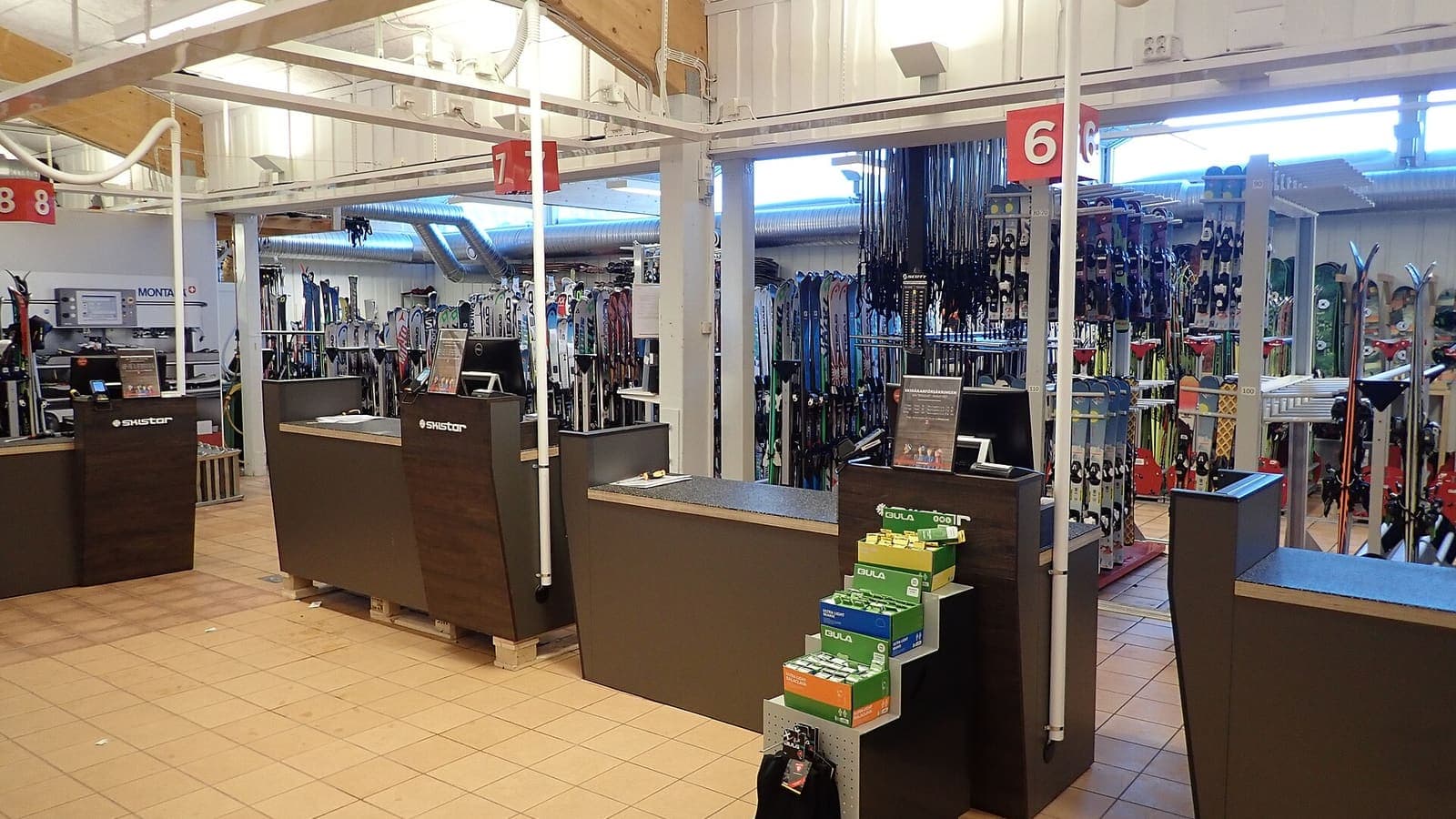
What to do when you rent: enter your age, level, weight and height correctly in the booking, and the shop prepares the equipment to match. Ask the shop about the binding setting when you collect.
Snowboard stance angles and setup
On a snowboard both feet are fixed to the same board, so knee biomechanics depend directly on your binding angles. You ride either Regular (left foot forward) or Goofy (right foot forward).
| Stance Type | Angle (Front / Back) | Biomechanical Effect | Ideal Use |
|---|---|---|---|
| Duck stance | +15° / -15° | Both knees point outwards; joint load is evenly spread | Beginners, freestyle, switch |
| Slight duck | +18° / -6° | Front knee points forward, back knee slightly open | All-mountain, balanced piste riding |
| Directional (forward) | +21° / +6° | Both knees point forward; hip rotation is easier | Aggressive carving, freeride, high speed |
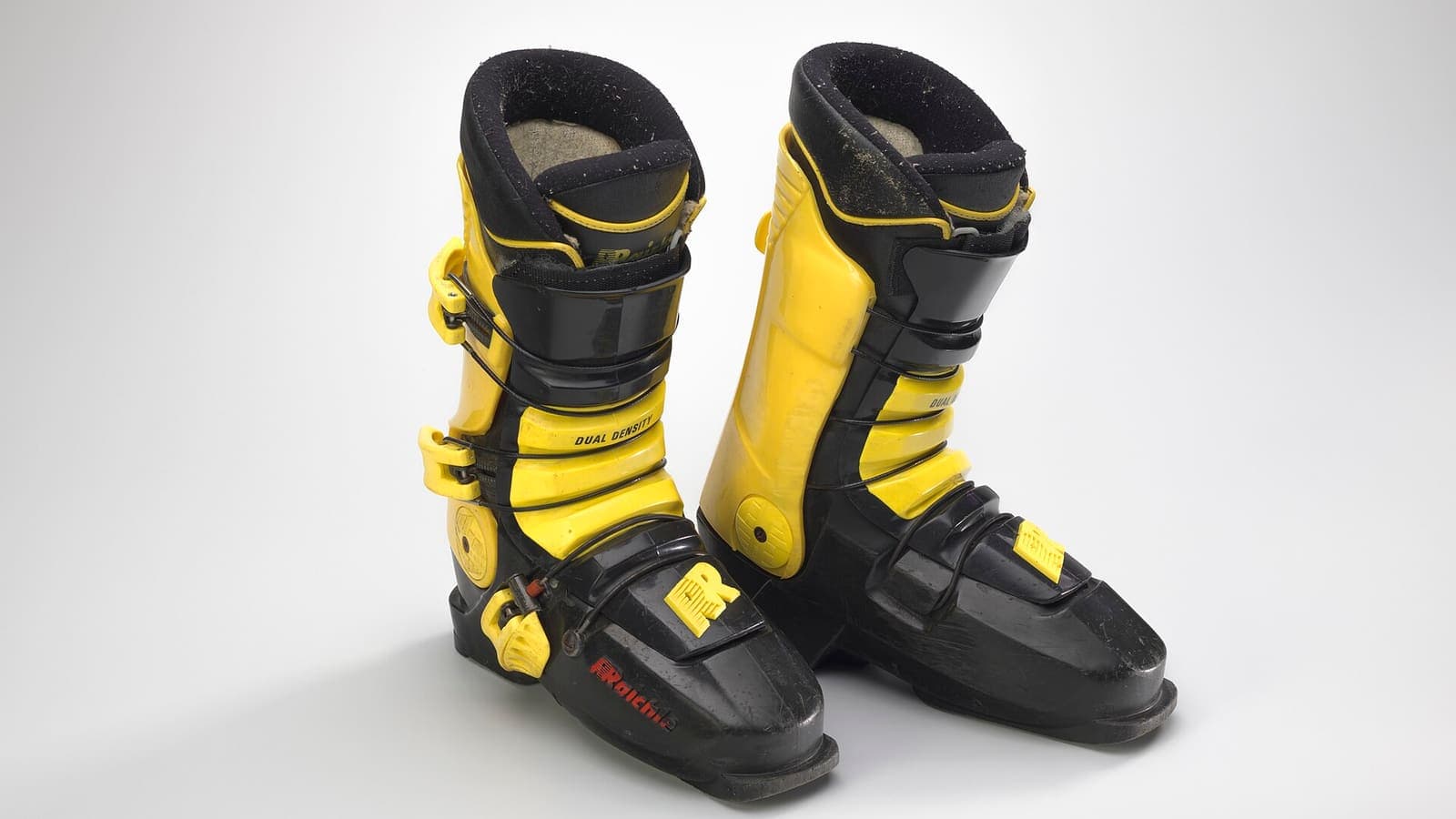
Ski boot angles: forward lean and canting
- Forward lean: The forward angle of the boot's rear calf section. The steeper it is (e.g. 15°-17°), the more your centre of gravity presses on the front of the ski and the more aggressive your turn entry becomes.
- Canting (lateral tilt): Tilting the boot slightly to the left or right so that people with bow legs or knock knees can keep the ski base flat on the snow. Without it, the ski constantly tries to catch an edge.
You can book your equipment on the ski equipment rental page. For how this interacts with geometry, see ski geometry, sizing and dynamics; for your first day, see first day skiing: safety, lessons and slope guide.
Frequently asked questions
Can I adjust my own DIN setting with a screwdriver?
No, don't. The DIN setting is taken from the ISO 11088 chart using your weight, age, height, boot sole length (BSL) and riding type, and the binding is checked by testing. A wrong setting can stop the ski from releasing in a fall or make it release for no reason.
My knees hurt. Could my snowboard binding angles be wrong?
They could. A common cause of knee pain is a stance angle and width that don't suit your anatomy. A stance wider than shoulder width, or angles that force your knees into an unnatural bend, can put too much load on the knees.
My ski comes off too easily in turns (pre-release). Should I raise the DIN?
First check for snow or ice build-up under the boot sole and for wear on the boot heel. If there is no mechanical problem and you have moved up from Type 1 to Type 2, ask the shop technician to check the setting again.
Is the DIN setting based only on weight?
No. Weight alone is not enough; age (the setting is lowered by one step for children under 10 and for skiers over 50), height, BSL and skier type also go into the chart.
Sources
- ISO 11088: Assembly, adjustment and inspection of an alpine ski/binding/boot (S-B-B) system, ISO, 2018 edition (a new edition was published in 2023)
- Davey A et al. Alpine Skiing Injuries. Sports Health, 2019 (open access)
- Is skiing dangerous? Common injuries and the 10 FIS rules, HemenKayak
Rental prices: shops are currently listed on HemenKayak in Erciyes, Ergan and Palandöken; you can see their current prices on the Erciyes, Ergan and Palandöken region pages.
Last updated: 8 November 2026
Rent your gear in advance
Compare daily prices from verified shops and have your gear prepared to your measurements before you arrive.
Read next
This guide was prepared by the HemenKayak team. See our About page to learn more about our platform.