
Ski Geometry and Dynamics: Sizing, Flex and Profile Guide
HemenKayak Ekibi · 03.09.2026 11:07
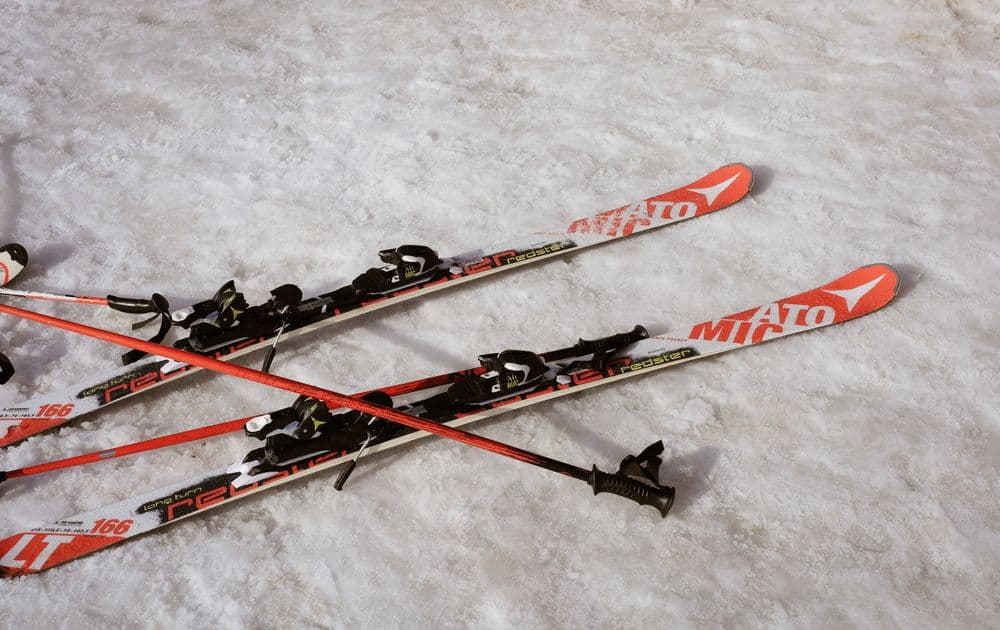
Summary: Ski performance is not luck; it is the result of geometry and materials science. A flex index, turn radius (sidecut radius) and base profile (camber / rocker) that suit your weight and speed directly determine your control on the slope. Heavy or aggressive skiers should choose a high (stiff) flex; light skiers and beginners should choose soft skis that forgive mistakes.
The flex index describes how much a ski resists bending along its length. According to the physics of kinetic energy, as your mass or speed increases, so does the force you apply to the ski to resist the centrifugal force in a turn.
Ski length and flex
Ski length is calculated not only from your height but also from your weight, how aggressively you ski and the ski's composite construction. For beginners, the ski should come up to between the chin and the nose; shorter skis are more manoeuvrable and make learning to turn easier. Heavy or aggressive skiers should choose stiff (high flex) skis reinforced with carbon fibre or titanal to absorb that force.
What is the turn radius (sidecut radius)?
The turn radius is the metric measure of the geometric arc created by the difference in width between the ski's tip, waist and tail.
- Short radius (11-14 m): Found on slalom skis. They react quickly and allow rapid turns on busy slopes, but can wobble at high speed (speed wobble).
- Long radius (17-25 m+): Found on giant slalom or freeride skis. They take effort to turn at low speed but give excellent line stability at high speed.
Ski profiles: camber vs. rocker
| Profile Type | Contact with the Snow | Performance Advantage | Ideal Use |
|---|---|---|---|
| Camber | Tip and tail touch the snow, middle is raised | Maximum edge grip, high energy return, rebound | Icy and hard-packed slopes (carving) |
| Rocker (reverse camber) | Middle touches the snow, tip and tail are raised | Surfy feel, float in snow, easy manoeuvring | Powder and deep fresh snow |
| Early rise (tip rocker) | Camber body, only the tip rises early | Solid edge grip on piste, damping over bumps | Mixed snow conditions (all-mountain) |
Structural differences: all-mountain, freeride and carving
The biggest measure of a ski's character is its waist width. The narrower the waist, the faster and easier it is to roll the ski from edge to edge.
| Category | Waist Width | Turn Radius | Layer Dynamics |
|---|---|---|---|
| Carving (piste) | 68-75 mm | Short (11-14 m) | Titanal-reinforced, high torsional stiffness |
| All-mountain | 80-95 mm | Medium (15-18 m) | Carbon fibre + wood hybrid flex |
| Freeride | 100-120+ mm | Long (19-25 m) | Light wood core, shock-absorbing composites |
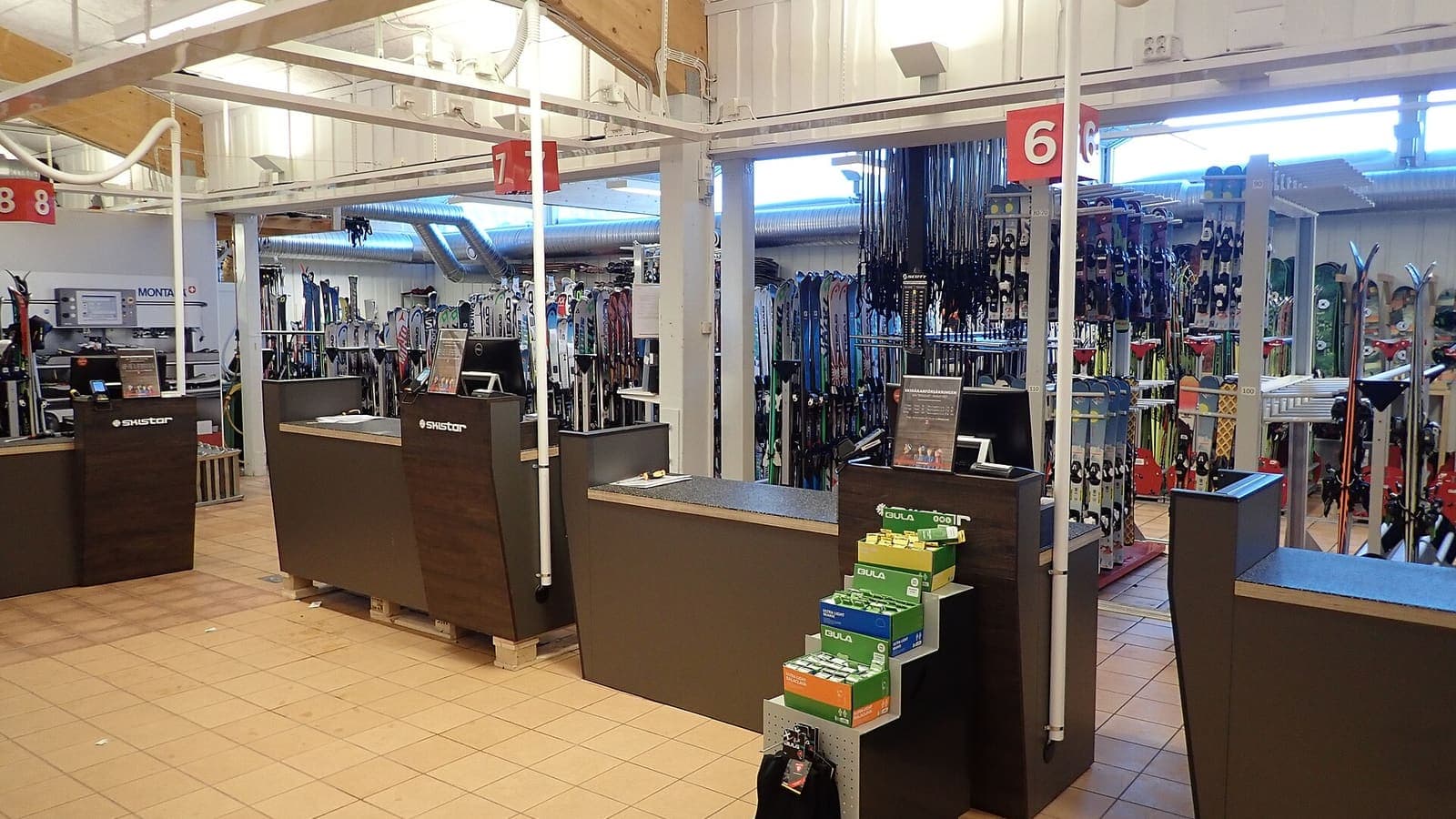
You can book your equipment on the ski equipment rental page. Enter your level, weight and height in the booking, and the shop prepares the equipment to match. For materials, see ski and snowboard materials science; for binding settings, see ski bindings, DIN settings and biomechanical safety.
Frequently asked questions
How does weight affect the choice of ski flex?
A heavier skier applies more kinetic energy to the ski in a turn. If you are heavier than average or ski very aggressively, you should choose a higher (stiffer) flex; otherwise the ski bends more than it should in the turn and you lose control.
Are short-radius (sidecut) skis always better?
No. 11-13 metre slalom skis make very sharp turns at low speed, but at high speed they lose stability and start to wobble. If you like speed, a radius of 16 m+ is safer.
What does a titanal layer do?
Titanal is an aluminium alloy used in ski construction. It damps vibrations at high speed and increases torsional resistance. It helps edge grip on icy snow, but in return makes the ski heavier.
Which profile suits beginners?
Early rise / tip rocker or mild rocker profiles; the early-rising tip makes it easier to start a turn and reduces vibration over bumps.
Sources
- Ski, Wikipedia, ski design: sidecut, camber, rocker
- Choosing skis by run colour, HemenKayak
- Ski and snowboard materials science, HemenKayak
- Waist width and radius ranges are typical manufacturer category values; they vary from model to model.
Rental prices: shops are currently listed on HemenKayak in Erciyes, Ergan and Palandöken; you can see their current prices on the Erciyes, Ergan and Palandöken region pages.
Last updated: 8 November 2026
Rent your gear in advance
Compare daily prices from verified shops and have your gear prepared to your measurements before you arrive.
Read next
This guide was prepared by the HemenKayak team. See our About page to learn more about our platform.