
Ski Insurance in Turkey: What a Lift Pass Covers and What to Do After an Accident
HemenKayak Ekibi · 01.11.2026 17:34
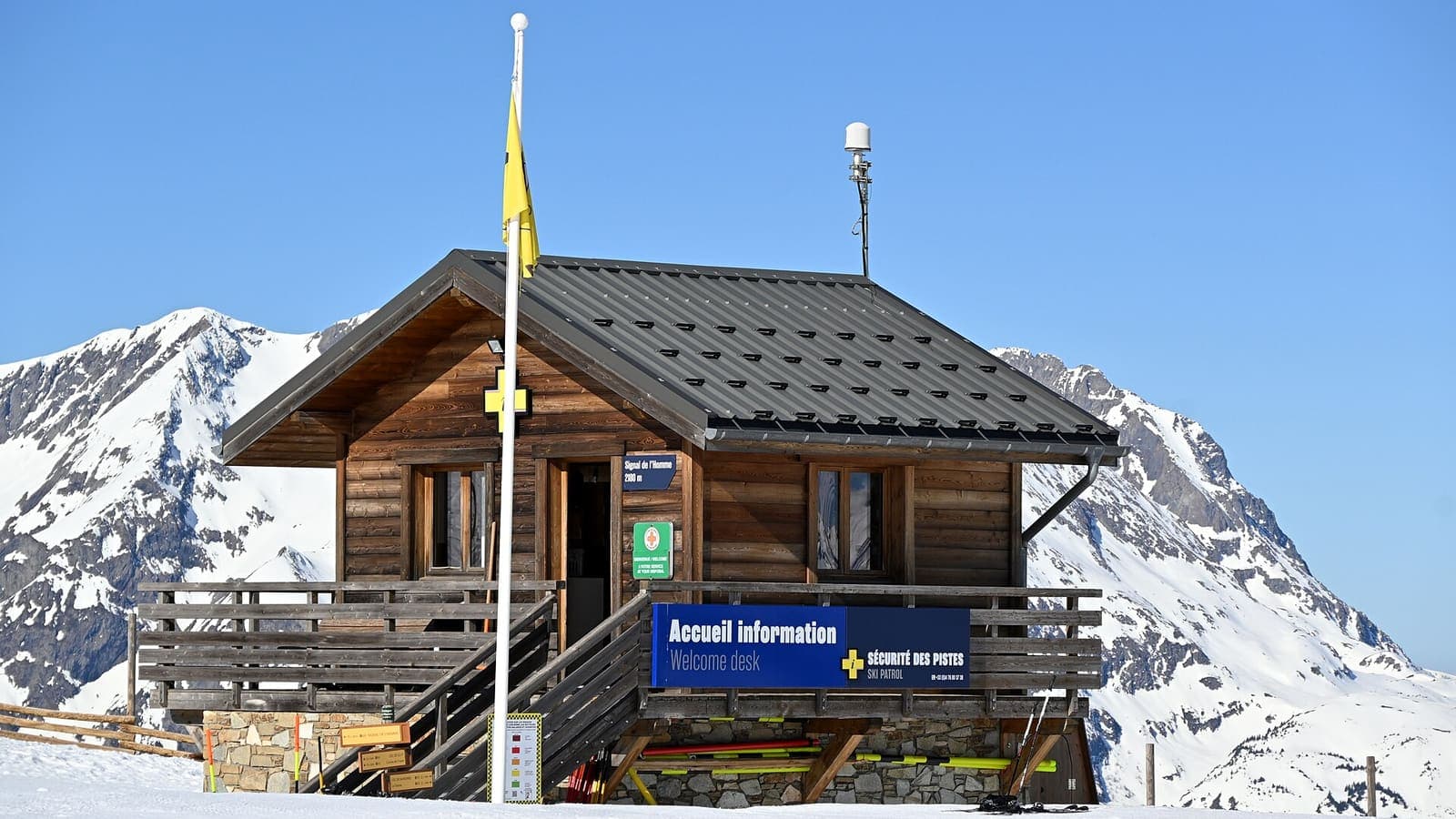
Summary: Most people living in Turkey are covered by General Health Insurance (SGK), and emergency treatment after a ski accident falls under it. Private health, travel or personal accident insurance is an optional extra; ask your insurer whether your policy covers skiing. A lift pass is not insurance. After an accident on the slope: mark the spot above the injured person, alert the slope team or call 112, do not move the injured person, take photos of the scene and get witnesses' details.
This guide is for anyone wondering before a ski trip "what happens if there is an accident?". It gives general information. HemenKayak does not sell insurance.
Do you need separate ski insurance?
Most people living in Turkey are covered by General Health Insurance (SGK). Emergency treatment after a ski accident is covered under it.
Private health insurance, travel insurance or a personal accident policy is an optional extra. If you have one, ask your insurer whether it covers skiing. Visitors from abroad should ask the same question about their own travel insurance.
Does a lift pass include insurance?
No. Ski resorts sell lift passes, not insurance. The general rules of Erciyes ski resort state that a ticket gives its holder no insurance rights. Under the same rules, first aid from the slope safety and medical teams is free. Other resorts may have different rules, so read the ticket conditions of the resort you visit.
What to do after an accident on the slope, step by step
- Mark the spot. Stick your skis crossed in the snow a few metres above the injured person so people coming from above can see you.
- Get help. Tell the slope team or the nearest lift operator, or call 112, Turkey's emergency number. Gendarmerie search and rescue (JAK) teams and resort first aid teams work at the resorts.
- Do not move the injured person if a serious neck, back or leg injury is suspected. Cover them to keep them warm.
- Take head knocks seriously. Anyone who hits their head should see a doctor, even if they feel fine. We explain why this matters especially for people on blood thinners and over 55 in learning to ski after 40 or 50.
- Record the scene and witnesses. Take photos of the accident scene. After a collision, note the names and phone numbers of the other person and of witnesses. FIS rule 10 also asks for this: everyone involved in or witnessing an accident should share their name and contact details.
- Keep the report and documents. After a collision, ask the gendarmerie to write a report. Keep first aid records, hospital reports and receipts.
All the FIS rules and the most common injuries: is skiing dangerous?
How many accidents happen at ski resorts?
According to data released by the Gendarmerie General Command on 13 March 2026, JAK teams responded to 8,699 incidents at 26 ski resorts in the 2025-2026 season up to mid-March. In these incidents 4,464 people were rescued unharmed and 3,743 injured. Some incidents were not injuries but people stranded or lost.
The number sounds alarming, but skiing is a low-risk sport: studies find about 2 injuries per 1,000 skier days. Details in is skiing dangerous?
Who pays after an accident?
For people living in Turkey, emergency treatment is covered by General Health Insurance. If you collided with someone else, or the cause of the accident is disputed, responsibility depends on the case. Get legal advice if needed. That is why photos of the scene, witnesses' details and a report matter.
How to lower the risk
- Take lessons and ski runs that match your level.
- Do not go off-piste and do not enter closed runs.
- Wear a helmet. Shops on HemenKayak rent helmets.
- Give your level, weight and height accurately when booking so bindings are set correctly. Details in our binding DIN guide.
- Stop when you are tired and leave the slopes before the lifts close.
Rental shops are currently listed on HemenKayak in Erciyes, Ergan and Palandöken. Other regions will appear as shops join.
Frequently asked questions
Do I need separate ski insurance?
Most people living in Turkey are covered by General Health Insurance (SGK), and emergency treatment falls under it. Private health, travel or personal accident insurance is an optional extra. If you have a policy, ask your insurer whether it covers skiing. Visitors should ask the same about their travel insurance.
Does a lift pass in Turkey include insurance?
No. Under Erciyes ski resort's rules, a ticket gives its holder no insurance rights. First aid from the slope safety and medical teams is free.
Who should I call after an accident on the slope?
Tell the slope team or a lift operator, or call 112. Gendarmerie search and rescue (JAK) teams and resort first aid teams work at the resorts.
What should I do if another skier hits me?
Take photos of the scene, get the other skier's and witnesses' names and phone numbers, and ask the gendarmerie to write a report. FIS rule 10 says everyone involved should share their details. Responsibility depends on the case, so get legal advice if needed.
Can I ski off-piste?
Do not go off-piste. Do not enter closed runs either, and leave the slopes before the lifts close.
Sources
- General rules of the ski resort, Erciyes Ski Resort (Kayseri Erciyes A.Ş.), checked 30 October 2026 (in Turkish)
- Social Insurance and General Health Insurance Law No. 5510, Turkish legislation database (in Turkish)
- JAK teams responded to 8,699 incidents this winter, Basın Gazetesi (Gendarmerie General Command data), 13 March 2026 (in Turkish)
- FIS rules and injury rates: is skiing dangerous?, HemenKayak
This guide is general information, not insurance or legal advice.
Last updated: 8 November 2026
Rent your gear in advance
Compare daily prices from verified shops and have your gear prepared to your measurements before you arrive.
Read next
This guide was prepared by the HemenKayak team. See our About page to learn more about our platform.