
Ski Maintenance: Wax, P-Tex Repair and Temperature Physics
HemenKayak Ekibi · 03.09.2026 11:05
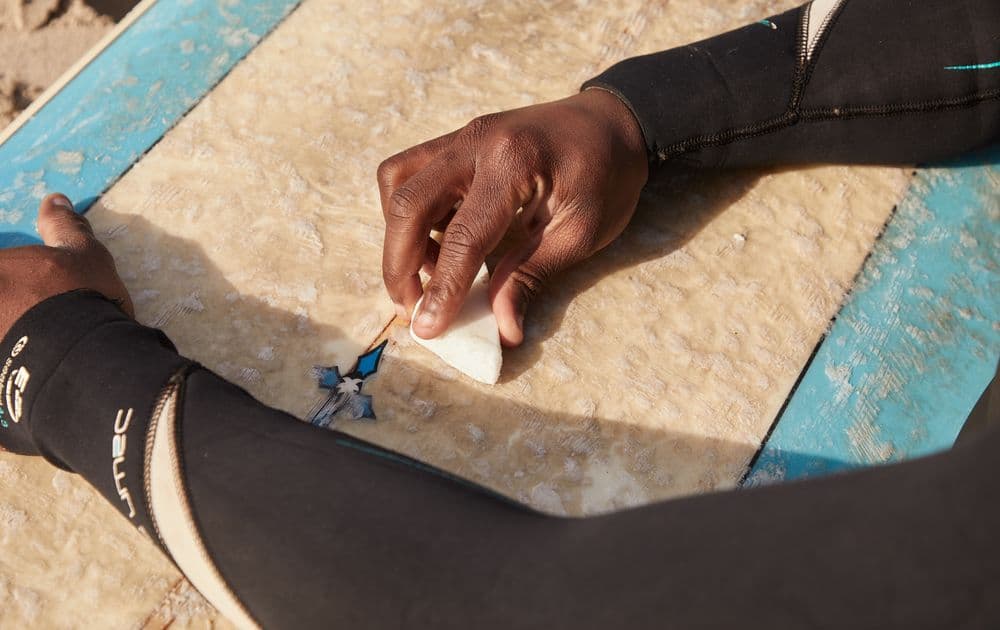
Summary: How well ski and snowboard bases glide depends on the very thin water film created by friction between the snow and the base. Choosing a wax that suits the snow temperature and repairing deep scratches with P-Tex improves the glide. If the snow is very cold, the water film forms with difficulty and friction rises; if it is very warm, the film gets thick and creates a suction effect that slows you down.
The real job of wax is to adjust the water repellency (hydrophobic character) of the polyethylene base to the snow temperature. The fluorine-free waxes that are now widespread manage friction with other additives.
Choosing wax by snow temperature
| Snow Temperature | Wax Type (Colour) | Friction Physics | Water Film |
|---|---|---|---|
| Cold (-10 °C and below) | Blue / green (hard wax) | Snow crystals are sharp and abrasive; a hard wax is needed so they don't scratch the base | Very thin; frictional melting is difficult |
| Medium (-2 to -10 °C) | Red / universal | Friction is balanced; hydrocarbon waxes work well | Balanced (good glide) |
| Warm (0 °C and above) | Yellow (soft / water-repellent) | The snow starts melting and creates suction; water-repellent additives are needed | Thick; the suction effect must be broken |
Colour codes can differ between brands; check the temperature range on the packaging.
Base damage and P-Tex repair
Sintered bases are fast but sensitive to stones and rocks. A scratched base disrupts the flow of water and can slow your glide.
| Type of Damage | Mechanical Effect | Repair Method |
|---|---|---|
| Surface scratches | Disrupts water flow, can slow your glide | Hot wax and brushing smooth the surface |
| Deep scratches | Can create uneven friction in turns | A P-Tex candle is melted into the scratch, then scraped |
| Core shot | Can let water into the core; over time the ski's structure deteriorates | Epoxy + P-Tex patch; should not be put off |
End-of-season storage and preventing edge rust
Putting your equipment into storage without care at the end of the season is a common mistake. Steel edges can rust with moisture in the air, and the polyethylene base can dry out. The usual method: dry the edges, melt a thick layer of storage wax onto the base and do not scrape it. This thick layer helps protect the base and edges from moisture over the summer; scrape it off at the start of the new season.
When you collect rental equipment, ask the shop about its maintenance. You can book your equipment on the ski equipment rental page; enter your level, weight and height in the booking, and the shop prepares the equipment to match. For base materials (extruded vs. sintered), see ski and snowboard materials science.
Frequently asked questions
How often should my equipment be waxed?
Depending on how you ride and the snow conditions, a hot wax is recommended every few days on the snow (most sources say 3-5 days). If you see white, dried-out or chalky patches on the base, the base has dried out and it is time to wax.
Why were fluorocarbon (fluoro) racing waxes banned?
They increase water repellency and speed, but the PFAS ("forever chemicals") they contain get into the environment when the snow melts. That is why FIS fully banned fluorinated waxes in its competitions from the 2023-24 season.
Can I use skis with rusty edges?
Surface rust can be removed with a Gummy Stone and you can ski on them. But if the rust has gone deep into the steel, grip on ice (ice bite) is reduced and the risk of skidding rises; the edges need sharpening at a service shop.
Does wax work on an extruded base?
It works, but the effect lasts less long; an extruded base does not absorb wax as well as a sintered one. A sintered base holds wax better.
Sources
- FIS widens scope of fluor testing after successful first season, FIS, 2024
- Ski waxes as an entry route for PFAS into the environment, BAM (German Federal Institute for Materials Research and Testing)
- Ski and snowboard materials science, HemenKayak
Rental prices: shops are currently listed on HemenKayak in Erciyes, Ergan and Palandöken; you can see their current prices on the Erciyes, Ergan and Palandöken region pages.
Last updated: 8 November 2026
Rent your gear in advance
Compare daily prices from verified shops and have your gear prepared to your measurements before you arrive.
Read next

This guide was prepared by the HemenKayak team. See our About page to learn more about our platform.